PARO (ALTITUDE: 1,800 - 5,400M APPROX.)

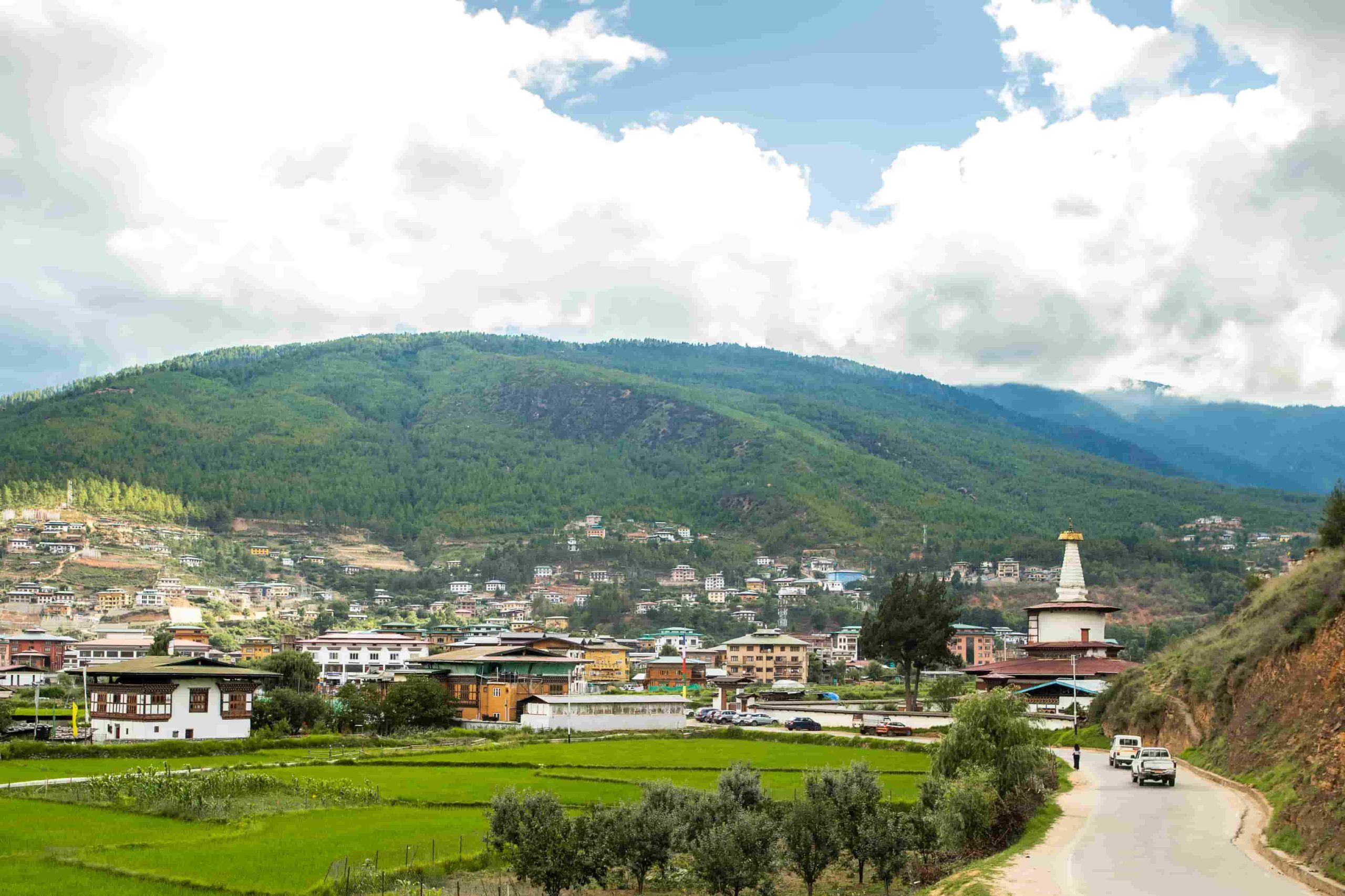
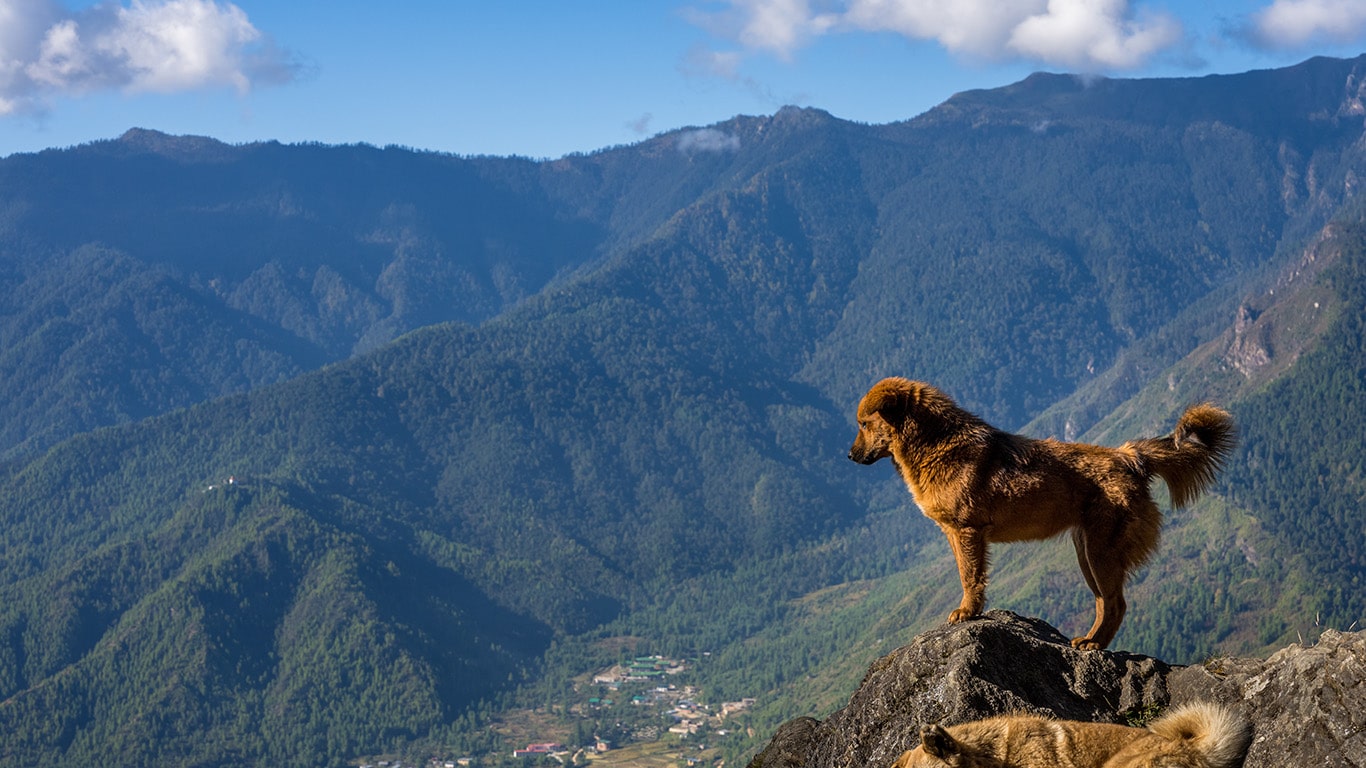
Paro Bhutan (2,200m/7,218ft) Paro is a gorgeous valley that encompasses incredible culture, breathtaking natural splendor, and tons of myths and folklores. There are many places to visit in Paro Bhutan. It is the place that holds some of the most ancient temples and monasteries of Bhutan and the legendary Tiger’s Nest Monastery. It is home to the country’s only international airport and the National Museum. The Mountain Jomolhari reigns in white glory at the northern end of the valley and its crystalline glacial waters plunges through deep gorges to form Paro river. Paro valley is the Rice Bowl of the kingdom and it grows the famous red rice of Bhutan from its terraced verdant fields. It is one of the top places to visit in Bhutan.
FACTS ABOUT PARO

The picturesque region of Paro is one of the widest valleys in the kingdom

There are over 155 temples and monasteries in the area, some dating as far back as the 14th century

The famous Tiger Nest is located in Paro

It is considered as the Rice Bowl of Bhutan with its annual bounties of paddy

The only International Airport is located at Paro Airport

The five-day Paro Festival is one of the biggest Festivals of Bhutan.

Has lot of place to explore for day hikes.

TAKTSANG MONASTRY

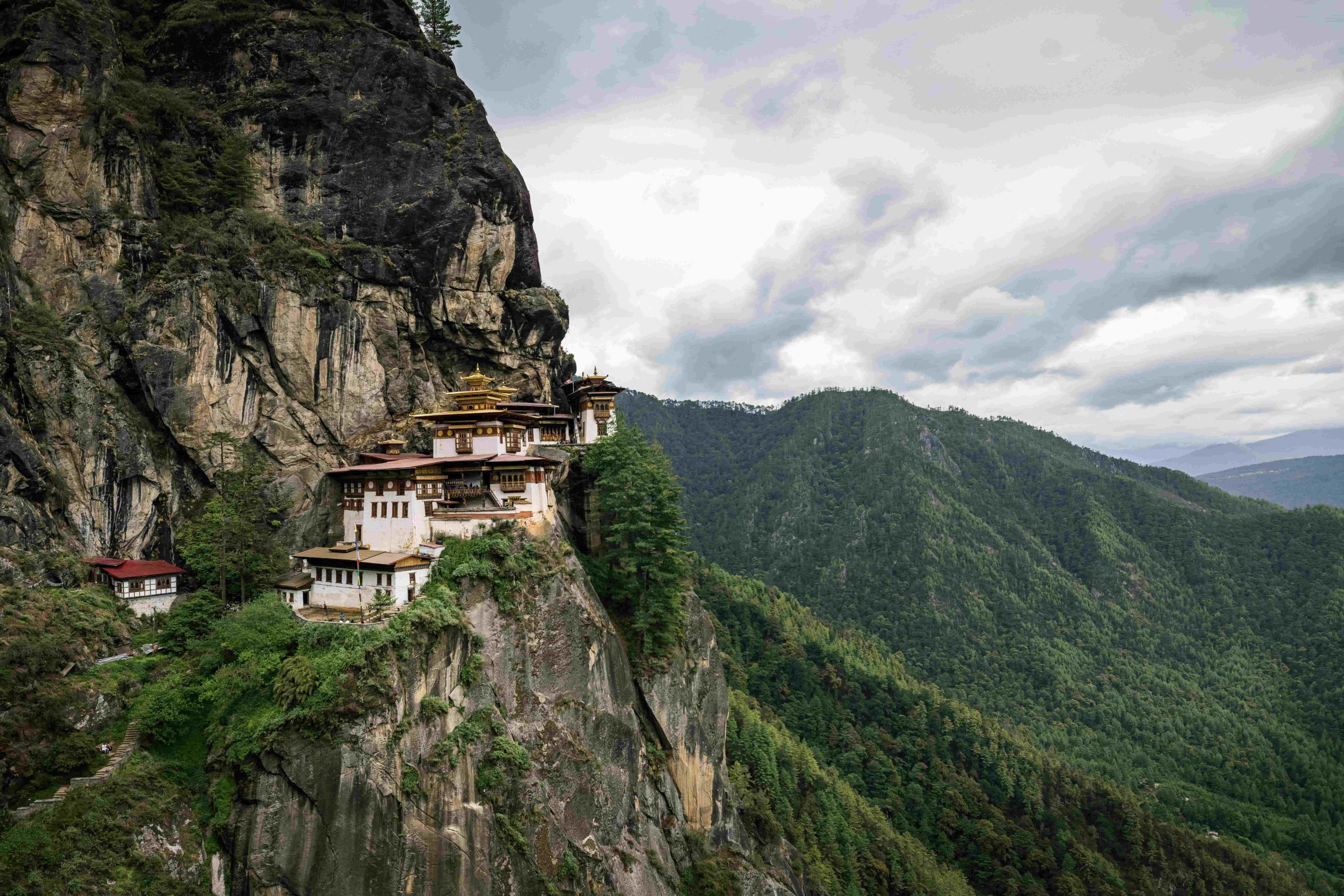
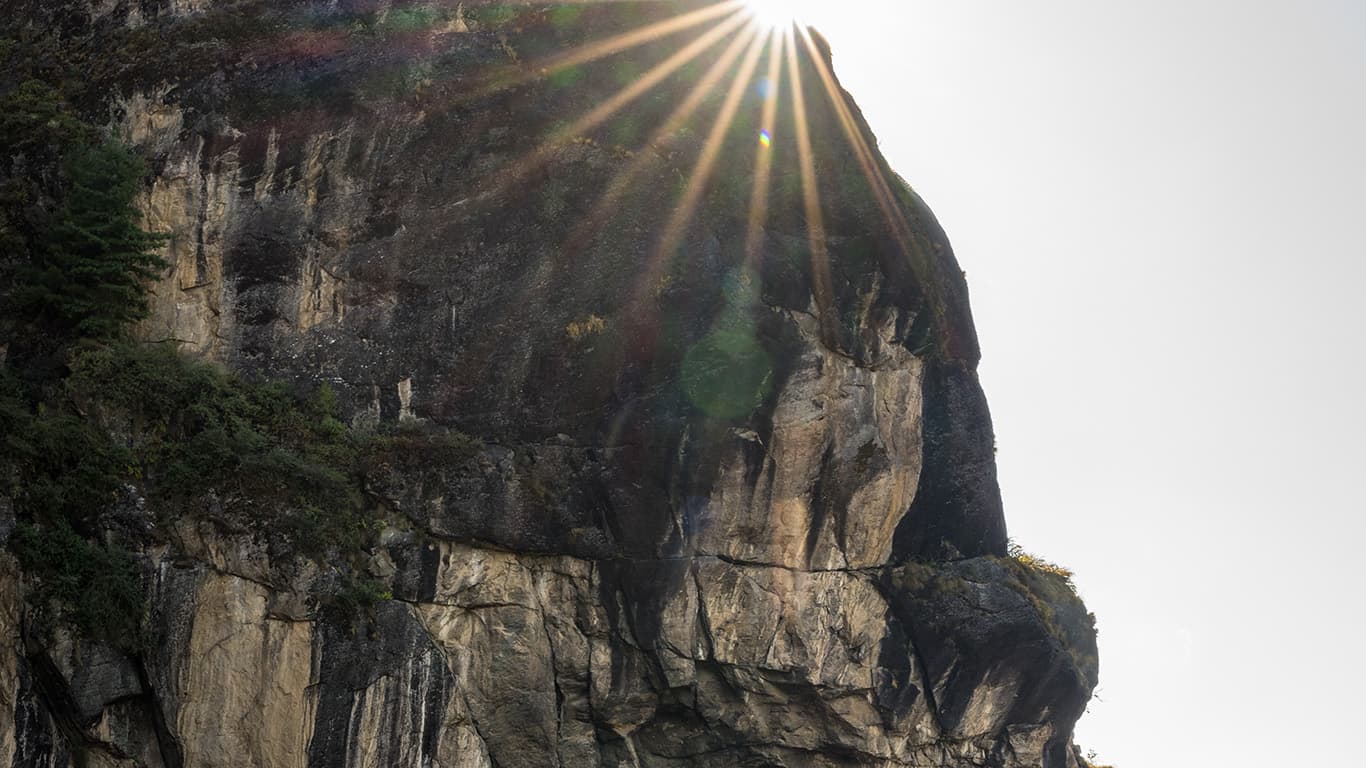
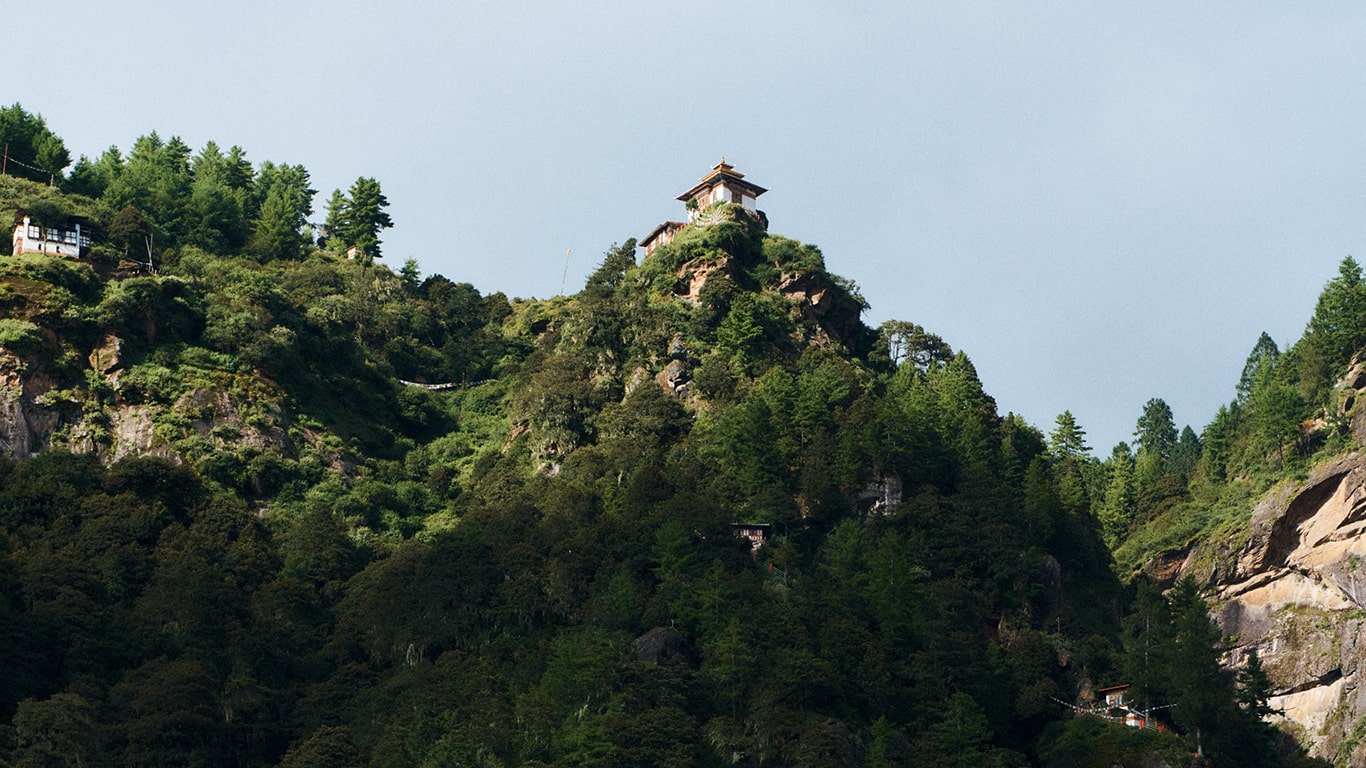
The Paro Taktsang, or “Tiger’s Nest Monastery,” perched 900 meters above the Paro valley, is Bhutan’s most iconic landmark and one of the world’s wonders. Guru Rinpoche is said to have flown here on a tigress in the 8th century and meditated for three months, giving the site its name. Built in 1692 and visited by Zhabdrung Ngawang Namgyel in 1646, the monastery was restored after a 1998 fire. The steep five-hour hike through pine forests rewards visitors with stunning views, making it a revered pilgrimage and must-visit destination.

PARO RINPUNG DZONG

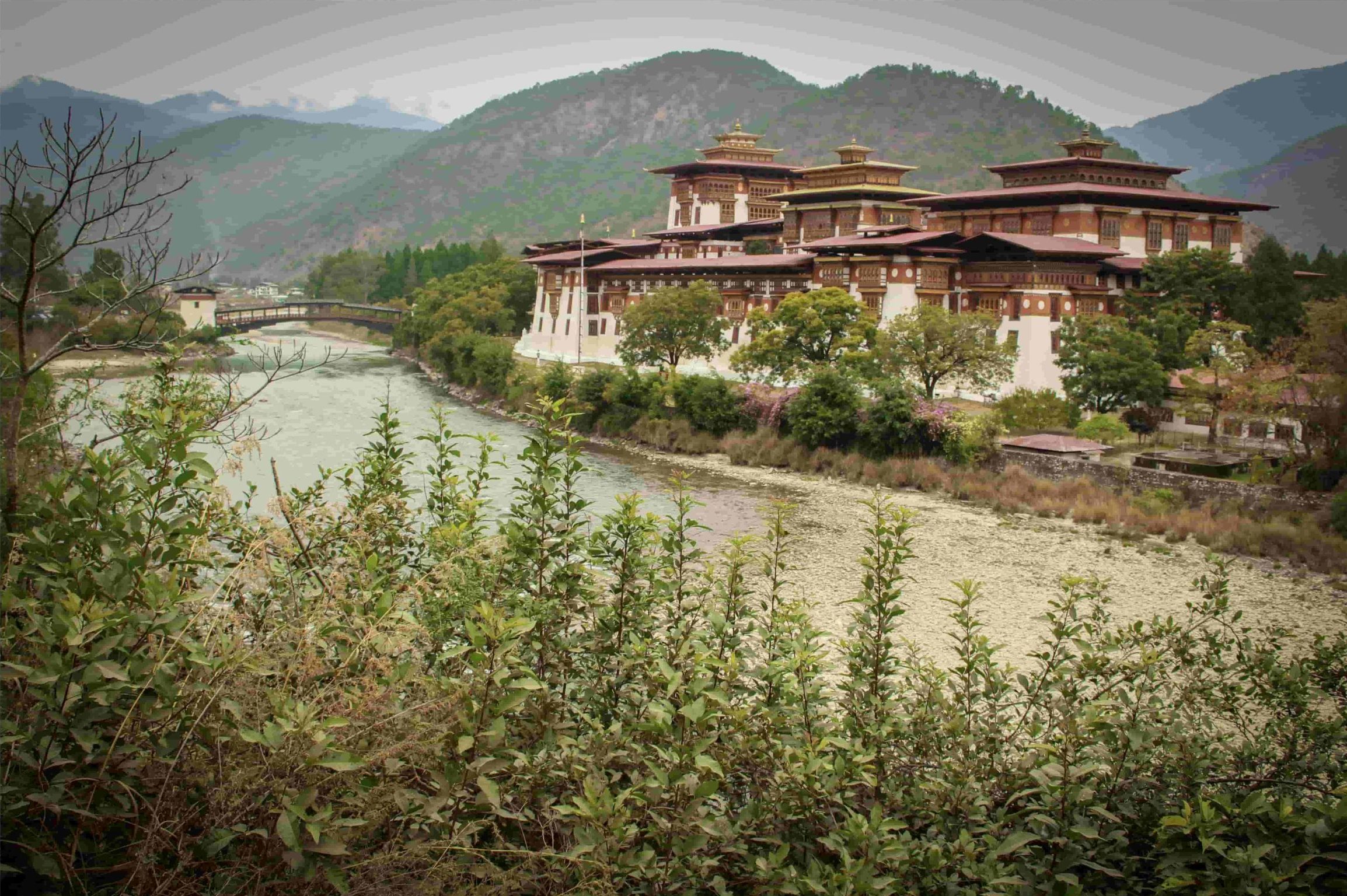
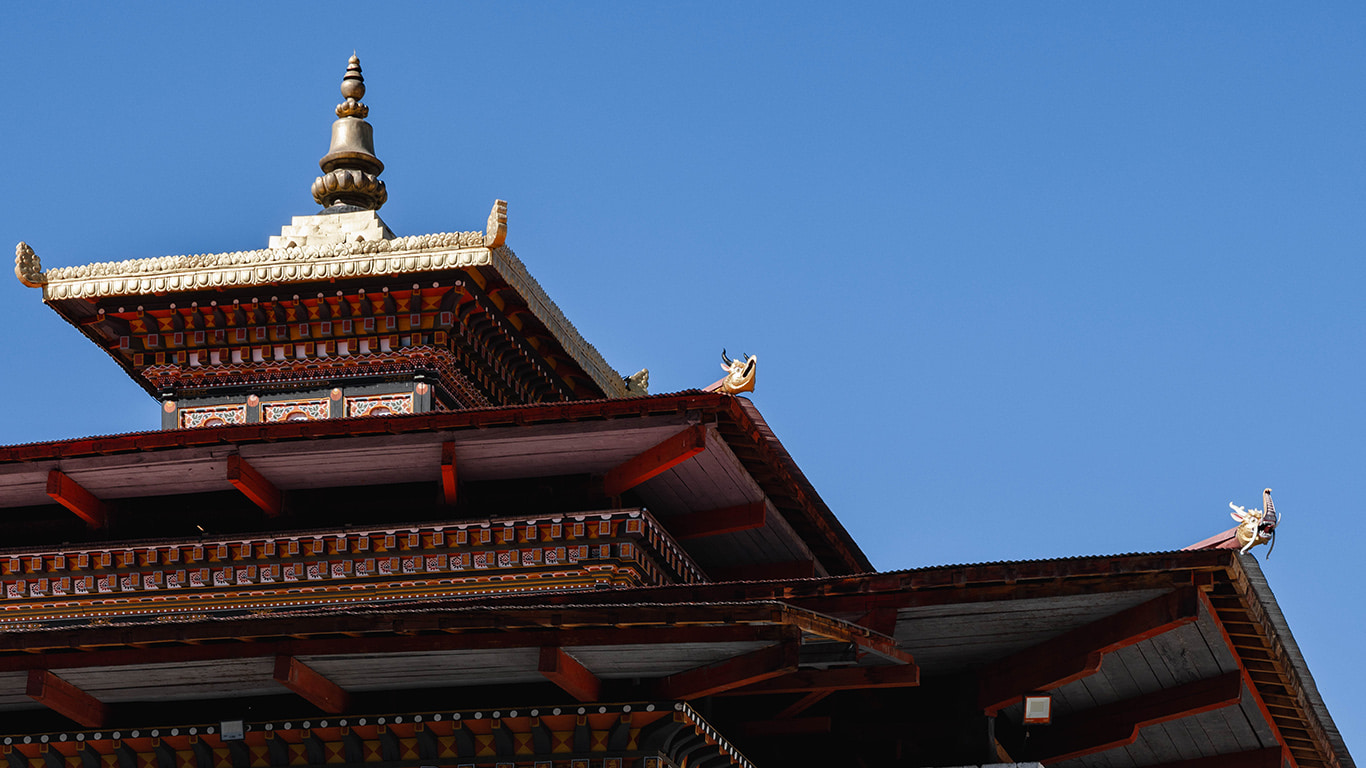
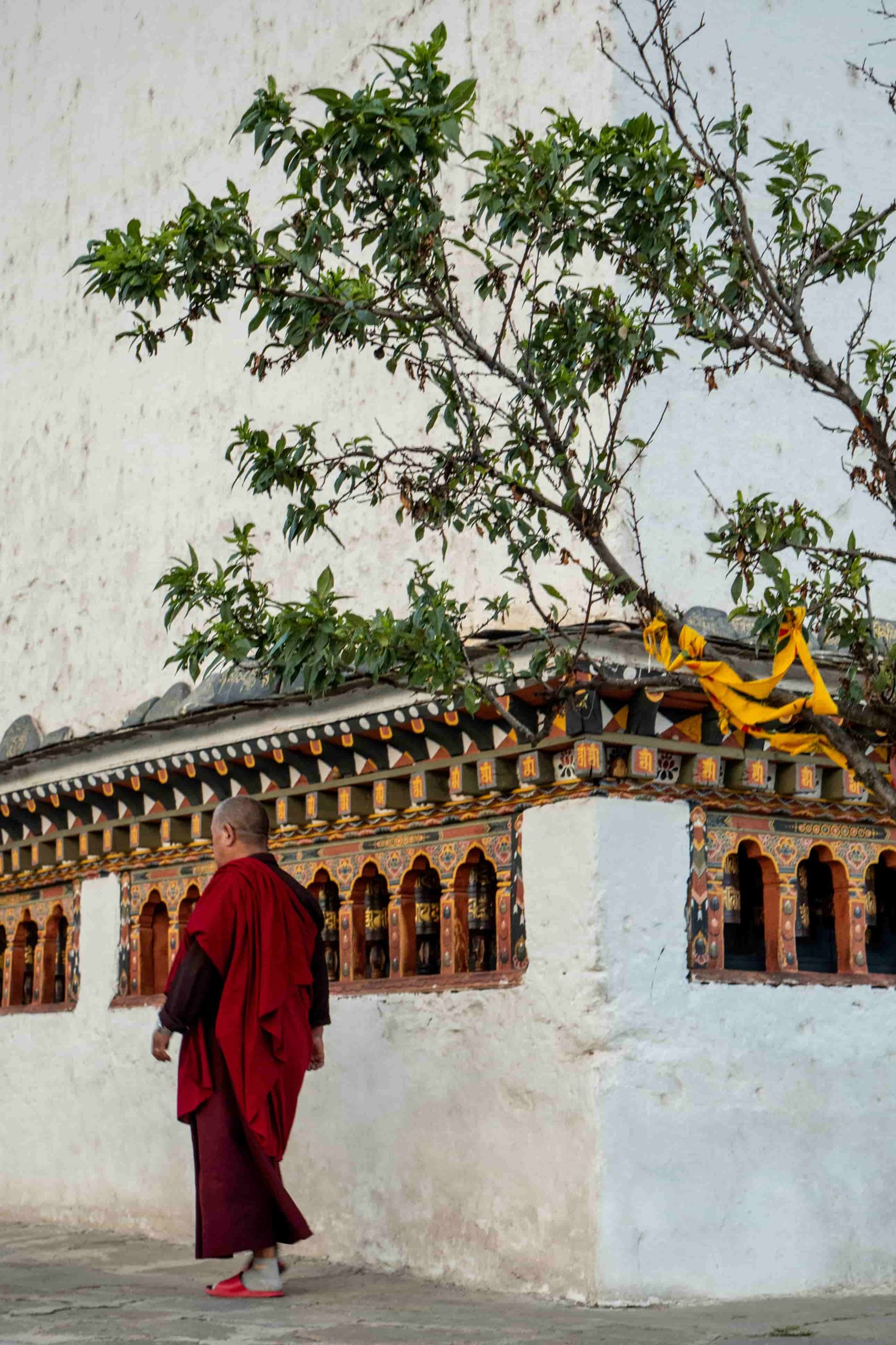
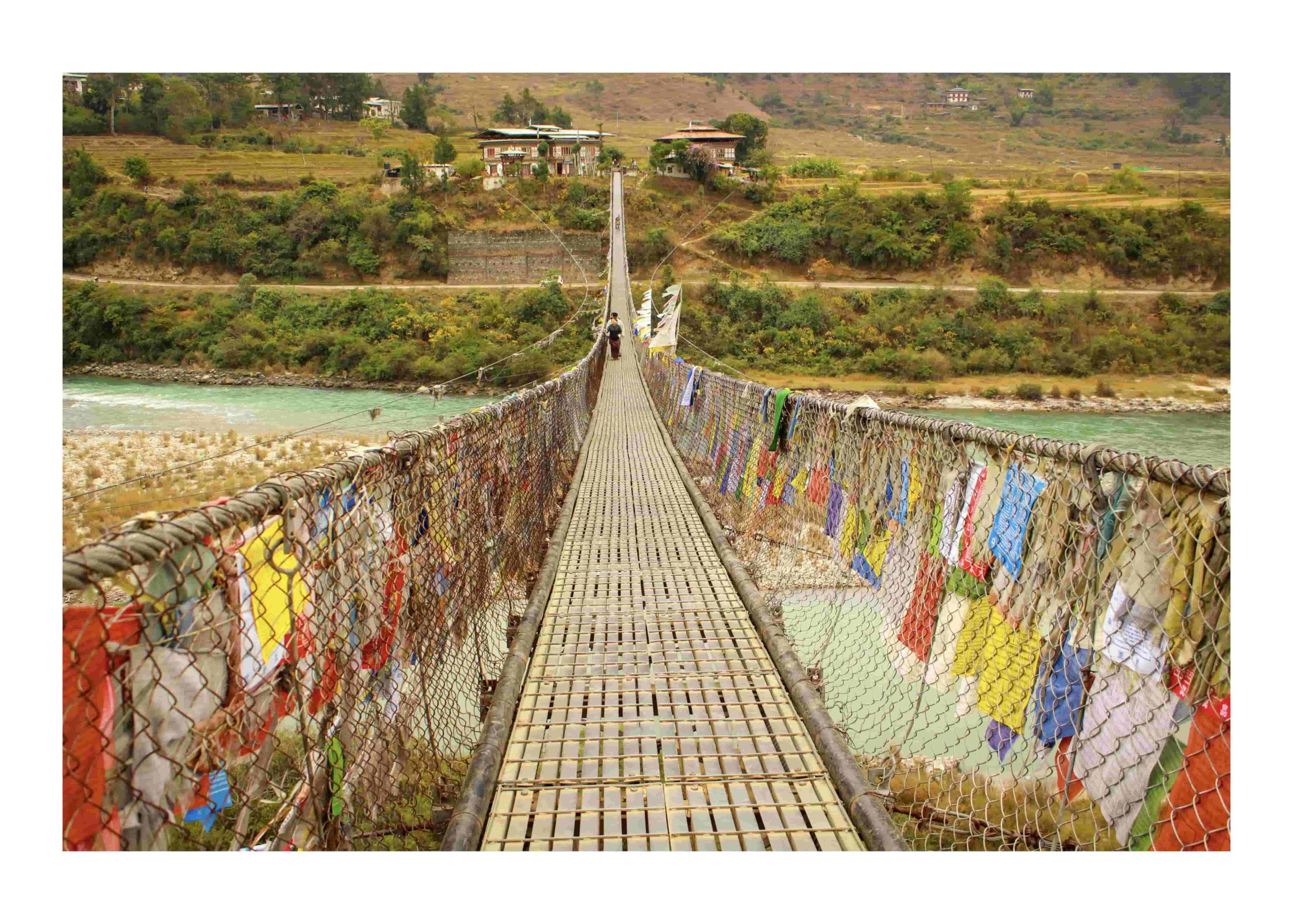
Paro Rinpung Dzong, meaning “Fortress on a Heap of Jewels,” is a magnificent 17th-century monastery rebuilt by Zhabdrung Ngawang Namgyel on the site of a 15th-century temple. Accessed via the traditional Nemi Zam bridge, it showcases classic Bhutanese architecture—built without blueprints or nails—and features a five-storey tower, intricate woodwork, and stunning mandalas. Serving both religious and administrative purposes, it hosts the annual Paro Tshechu festival and is listed among Bhutan’s tentative UNESCO World Heritage Sites.

PARO TA DZONG

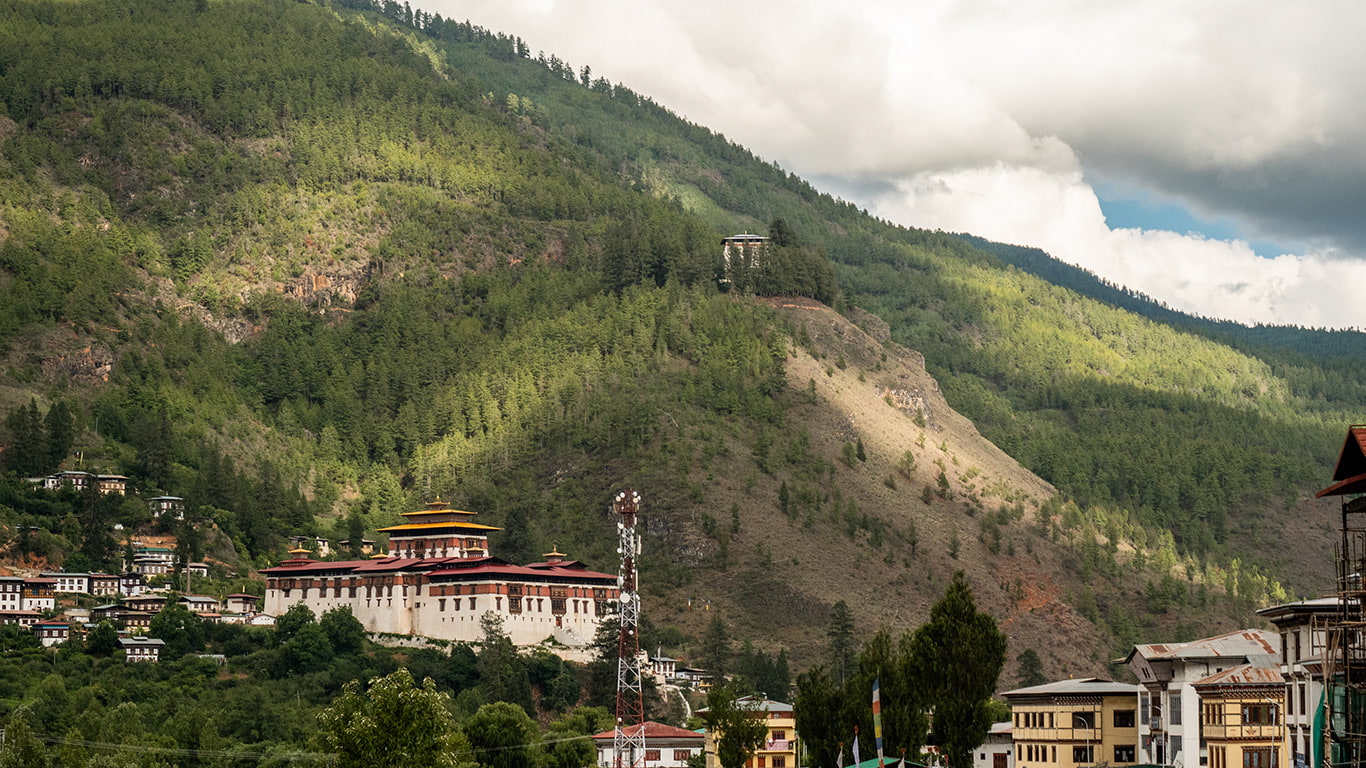
Ta Dzong, the newly consecrated Bhutan Museum in Paro, was originally built as a round watchtower to protect Paro Dzong and converted into a national museum in 1968. It showcases Bhutan’s rich history and culture through galleries displaying art, bronze statues, royal artifacts, sacred dance masks, and statues of Guru Rinpoche. Highlights include the Raven Crown of King Gongsar Wangchuck and the top gallery symbolizing the body, speech, and mind of Adi-Buddha. The best time to visit is in the evening to enjoy the stunning sunset over Paro.

PARO DRA KARPO

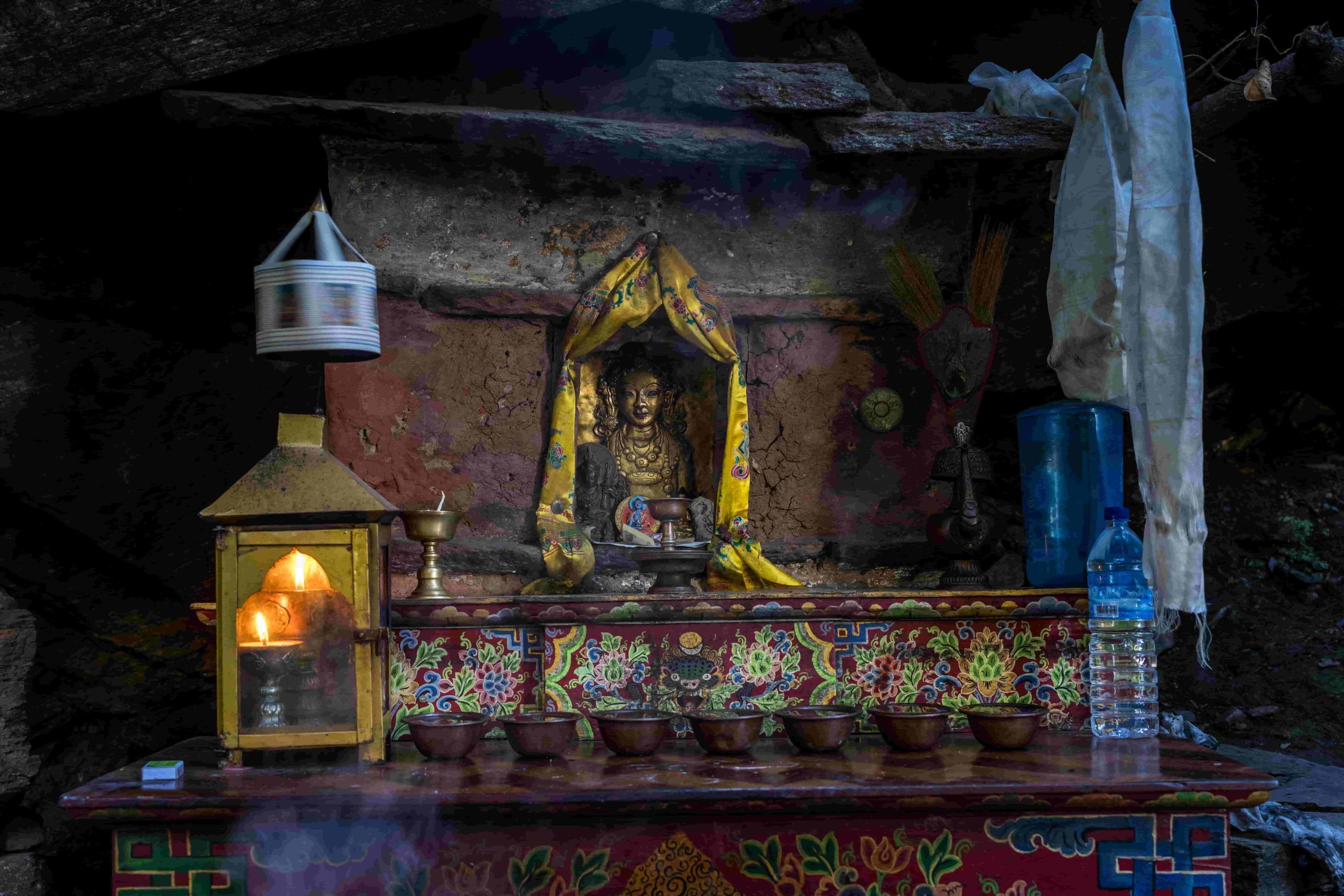
Dra Karpo, or “Split Rock,” is a sacred monastery perched on a hilltop in Paro valley, believed to cleanse sins when circumambulated 108 times. About 5 km from Shaba, it offers stunning valley views and a peaceful, spiritual atmosphere. Guru Rinpoche meditated here, leaving sacred body prints and a footprint in the cave, where visitors can also test their purity by passing through a narrow rock passage. Surrounded by hermitages, Dra Karpo is a serene and divine retreat for spiritual seekers.

DRUKGYEL DZONG

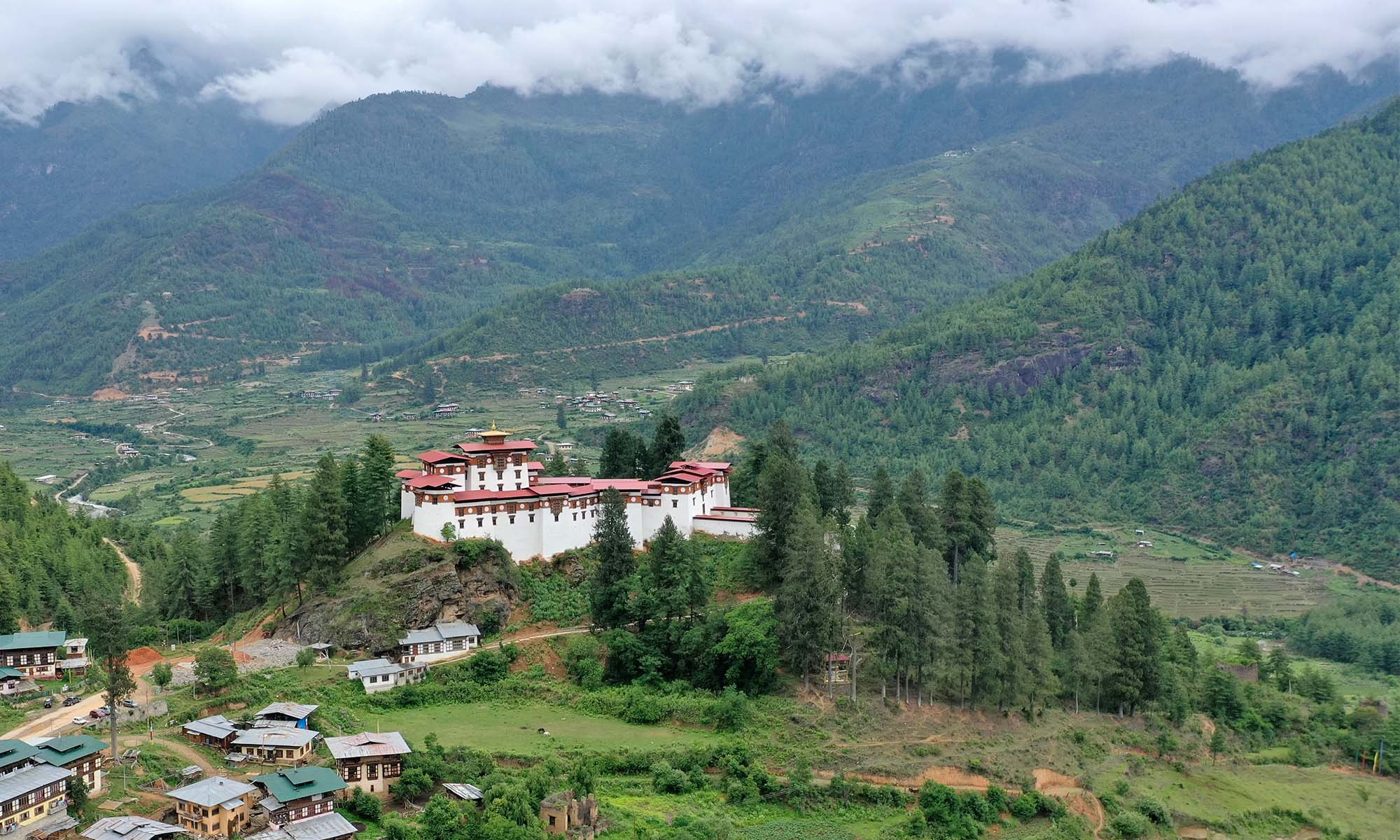
Drukgyal Dzong, built by Zhabdrung Ngawang Namgyal in 1646 to commemorate Bhutan’s victory over Tibetan-Mongolian forces, stands proudly above a picturesque village. Although it was largely destroyed by fire in 1951, its towering walls remained a striking sight until its recent full restoration. Once home to Bhutan’s finest armory, the Dzong served as a key defense fortress. On clear days, visitors can enjoy breathtaking views of Mount Jomolhari from the approach road, making Drukgyal Dzong a site of both historical and scenic significance.

KYICHU LHAKHANG

Kyichu Lhakhang in Paro, one of Bhutan’s oldest and most sacred temples, was originally built in the 7th century by Emperor Songtsen Gampo to suppress a giant ogress obstructing the spread of Buddhism. Believed to be built on the ogress’s left foot, the temple consists of twin structures—the original 7th-century temple and a second temple built in 1968 by Queen Mother Ashi Kesang in the same style. Renowned for its legends and spiritual significance, Kyichu Lhakhang attracts many pilgrims who circumambulate and chant prayers in deep devotion.

DUMTSE LHAKHANG

Dumtseg Lhakhang, just outside Paro, is a rare chorten-shaped temple famously chained to prevent it from “flying to heaven.” Built in 1412 by Thangtong Gyelpo to subdue a demoness, it was restored in 1841 and features extraordinary interior paintings. Designed as a mandala, its floors display historical figures, bodhisattvas, protective deities, tantric cycles, and the Drukpa Kagyu teachers, with the top floor housing a lacquered image of Milarepa. A torch and about an hour are needed to fully appreciate its interiors.

CHUMPHU NYE

Chumphu Nye, perched on a remote hilltop, is accessible via a 7–8 hour, 14 km round-trip hike. The highlight is the revered floating statue of Vajra Dakini, believed to mark where Goddess Dorji Phamo once flew and meditated—her one leg crossed and the other hovering above the ground. Along the mostly gentle trail, hikers encounter caves where Guru Rinpoche, Khandom Yeshey Tshokey, and Khandro Mendharawa are said to have meditated, with the final ascent starting from a bridge at the hill’s base.

NYEPHUG NYE

Neyphug Monastery, established in 1550 and now being rebuilt after earthquake damage, is a serene site accessible via a 45-minute drive from Shaba, Paro. Also called Heyphu or Thegchen Choling, it houses little monks, sacred relics like Guru Padmasambhava’s statue and shoes, and offers opportunities for wine offerings to temple protectors. Surrounded by magical myths, nearby stupas, and self-arisen Avalokitesvara paintings, Neyphug is a mystical and enchanting destination in Paro.

ZURI DZONG

The peak of the Zuri Dzong Trek offers a stunning bird’s-eye view of the Paro valley. Zuri Dzong, Bhutan’s oldest dzong, houses a cave where Guru Rinpoche meditated in the 8th century. The peaceful spot allows visitors to soak in the tranquil scenery for hours. Starting from the museum watchtower, the trek takes about 30 minutes to reach the peak and another hour to exit toward Uma, with breathtaking side views along the way.

CHELELA PASS

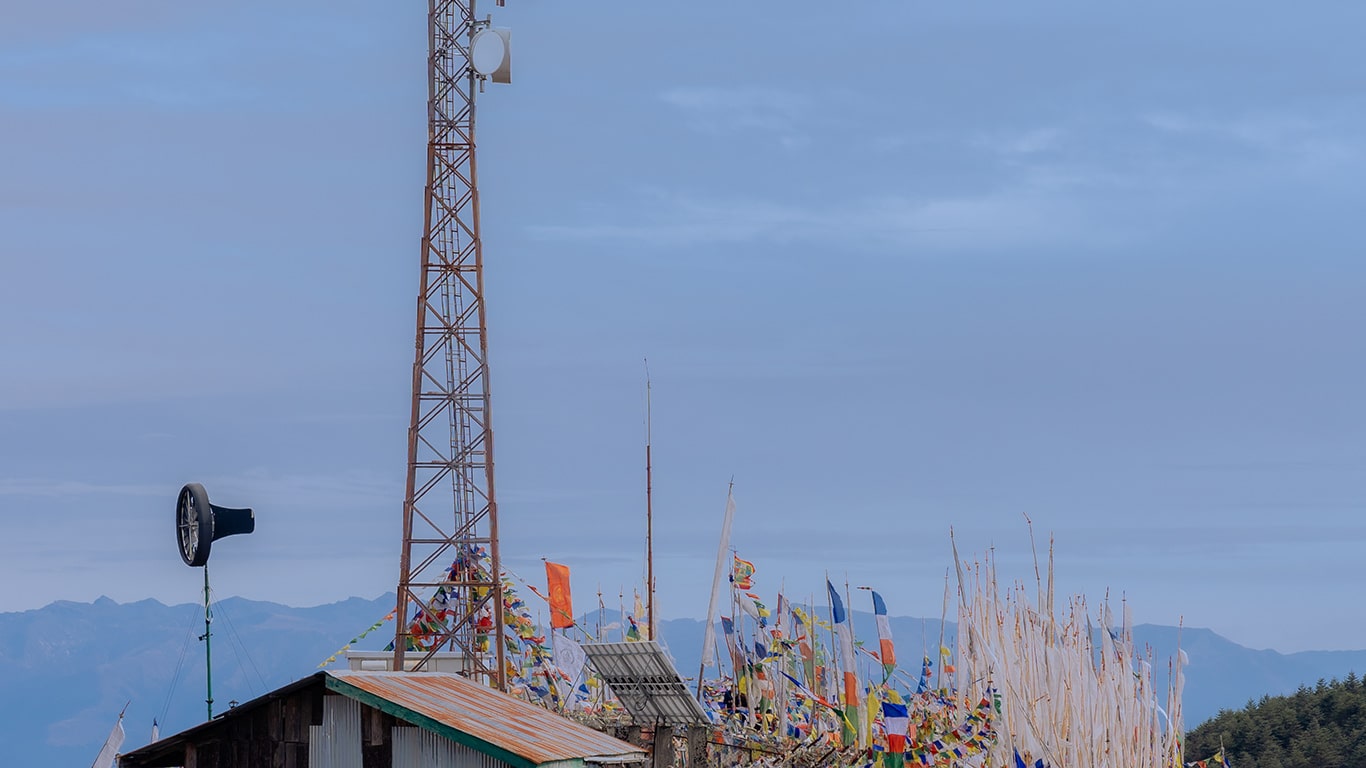
Chele La Pass, at 3,988 meters, is Bhutan’s highest road point, offering stunning views of Haa Valley and snowcapped peaks like Jomolhari (7,326 m) and Jichu Drake (6,714 m). The descending trail passes through lush forests of spruce, pine, primula, and rhododendron, with views of Paro Valley, while the upward trail is ideal for spotting Bhutan’s rare national flower, the Blue Poppy. Visitors may also encounter exotic birds such as the Himalayan Monal and Kalij Pheasant.

DZONGDRAKHA LHAKHANG

If you cannot hike to Tiger Nest, Dzongdrakha is a striking alternative, perched on a mountain edge where Guru Rinpoche subdued local demons. Located 20 minutes from Bondey, it houses shrines to Tara, Tsheringma, Guru Rinpoche, and Maitreya, along with a crystal stupa, relics, and an immovable Buddha statue. A short walk offers views of Paro Bondey valley, and the founder’s meditation cave provides a serene, healing atmosphere, making it a peaceful, less-touristy destination.

KILA NUNNERY

Kila Nunnery, founded by Chogyel Norbu in the 9th century, is one of Bhutan’s oldest nunneries, set amidst several retreat houses. Originally serving as a Buddhist school, it was relocated to Paro town due to harsh winters and monsoons, and now functions solely as a retreat center for dedicated practitioners. About 20–25 nuns care for the monastery and support the residents during their spiritual practice.

TAKTSANG ZANGDOPELRI

Pha Dampa, an Indian saint, meditated at Taktshang in Paro, leaving holy traces in the Drupkhang and envisioning a monastery on a nearby heart-shaped rock. Built in 1853 as Taktshang Zangtopelri Lhakhang—the “heavenly abode”—by Ngawang Jigme Norbu, the Paro Poenlop, and locals, it became a revered monument of Guru holding sacred treasures. Damaged by fire in 1858 and later renovated, it still offers panoramic views of Tiger Nest Monastery and remains a place of deep spiritual reverence.